Fabbrimarine
Face Masks
Fabbrimarine face masks — biocellulose lifting, thermal brightening, cryo hydration and topical collagen. Which to use for glow, tone, firmness or dehydration.
Fabbrimarine face masks — biocellulose lifting, thermal brightening, cryo hydration and topical collagen. Which to use for glow, tone, firmness or dehydration.
A mask delivers a concentrated dose of actives in a short window — closer to the skin and at a higher strength than a cream designed for daily wear could safely sustain. That makes it the right format for a specific goal, not for everyday maintenance.
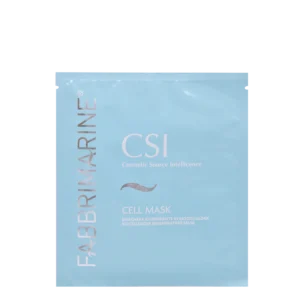
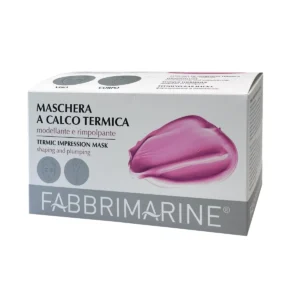
For dullness and uneven tone, a brightening mask works better than a hydrating one — Csi Cell Mask for tone and ageing signs together, or the Thermal Impression Mask if dark spots are the main concern. “Glow” usually comes down to one of two different problems: skin that is dehydrated and therefore light-scattering poorly, or skin with uneven pigmentation. They need different masks.
If your skin looks dull but even in tone, it is likely dehydration — the Cryo Mask addresses that directly. If the dullness has visible unevenness or spotting behind it, brightening is the right route.
One to three times a week, depending on the mask. That is enough to build cumulative benefit while leaving skin recovery time between concentrated applications. Daily use of a treatment-strength mask tends to irritate rather than improve.
Biocellulose masks state a specific wear time on the packaging. Leaving one on past that does not improve results — once the sheet starts drying it can begin drawing moisture back out of the skin.
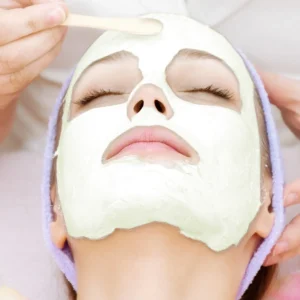
A biocellulose mask is a fine fibre sheet that holds actives in sustained contact with skin, giving better absorption during wear. A cream mask is simpler to apply and remove but generally delivers a lower concentration per use. Neither is better in the abstract — the sheet format suits intensive, occasional treatment, while cream formats suit more frequent use.
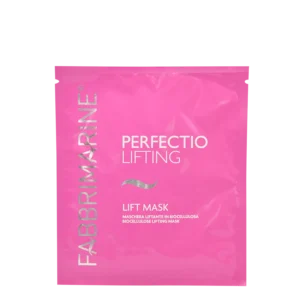
Firmness and lift — the Lifting Mask, biocellulose, concentrating on contour rather than tone.
Ageing signs and uneven tone together — Csi Cell Mask combines Fucogel, Delentigo and lemon extract in one biocellulose format.
Dullness and dark spots — the Thermal Impression Mask uses gentle heat to support brightening.
Dehydrated, hot or over-exposed skin — the Cryo Mask cools as it hydrates, which makes it the sensible choice after sun exposure or when skin feels tight and reactive.
Topical collagen treatment — Vello Collagene Face works on the skin’s surface structure, a different mechanism from ingestible collagen. See topical versus supplement for the honest difference.
After cleansing and toning, before serum and moisturizer. Clean, slightly damp skin absorbs more than skin straight out of a day’s wear, which is why a mask applied to an unwashed face is largely wasted.
Evening suits most masks better than morning — skin is not about to go under sunscreen and makeup, and you are not working around the wear time.
The Cryo Mask is the one to reach for here. Skin that has had real sun is hot, dehydrated and often slightly inflamed, and a cooling hydrating format addresses all three. Avoid brightening or acid-containing masks on freshly sun-exposed skin — that combination is more likely to irritate than help.
More: brightening · moisturizer · after sun care · full routine