Fabbrimarine
Best Sunscreen for GCC Weather
What to look for in a sunscreen for GCC heat and humidity — SPF level, texture and reapplication practicality — and where Fabbrimarine's Italian marine SPF range fits.
What to look for in a sunscreen for GCC heat and humidity — SPF level, texture and reapplication practicality — and where Fabbrimarine's Italian marine SPF range fits.
GCC sun exposure isn’t the same as a European summer — higher UV intensity, more hours of direct sun, and heat and humidity that make a heavy, greasy formula genuinely unpleasant to wear all day. “Best” here isn’t one product; it’s the right combination of protection level and texture for how and where you’re actually using it.
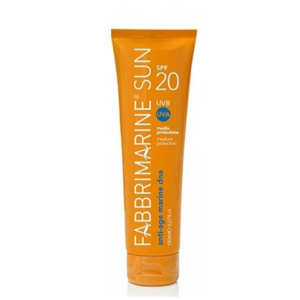
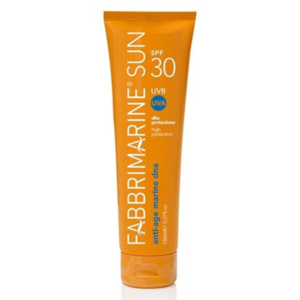
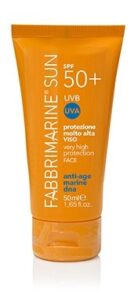
For daily face protection in direct GCC sun, SPF 50+ is the safer default, especially for fair or sun-sensitive skin. For general body coverage and everyday errands, SPF 30 is a practical balance. Lower SPF levels suit brief, indirect exposure only — not a full day outdoors.
A sunscreen’s water base matters as much as its filter strength for how it actually feels to wear. A formula that absorbs fully into skin — rather than sitting on the surface — is what prevents the white cast and greasy feel most people associate with high-SPF products. See how Fabbrimarine’s water carrier is calibrated for the science behind that.
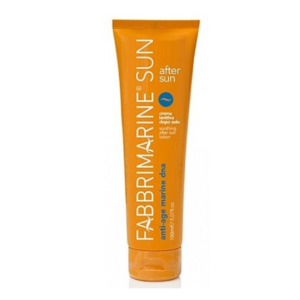
If oily or combination skin is your main concern, see our dedicated sunscreen for oily skin guide. For children or sun-sensitive skin, see sunscreen for children. For aftercare, see after-sun care.